
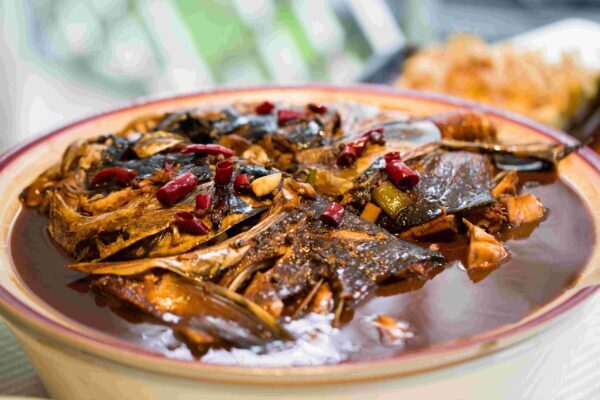
Camel hooves and fried hump are part of Chinese food tradition. They come from the north and west regions, where camels live and people eat meat in a special way. These dishes show how culture, survival, and taste mix together in history.
History of Camel in Food Culture
Camel has a special place in the Chinese food story. In the wide land of the north and west, camels have walked with people for many centuries. First, animals were transported; they carried salt, tea, silk, and many things across the desert. Later, when people live close to camels, they start to use meat, milk, skin, and even bone. For many groups, camels were not only helpers but also food when hard times came.
In the Tang and Song periods, records already speak about camel meat in the market. Traders on the Silk Road buy camel meat, dry it, and sell it to far towns. Nomads in Inner Mongolia roast camel by fire; families share meat in winter camp. In Xinjiang, old recipes use hump fat to fry bread or cook rice with spice. Each place gives its own style, but all keep camel as strong food.
People believe camel meat is warm food. In an old medical book, it says camel meat helps the stomach, makes the body hot in cold weather, and gives a man more strength. Some emperor courts also try camel dishes. It was not common in the south, but in northern cities like Xi’an and Dunhuang, the story of camel cooking still lives.
List of key points in history:
- Camel used for travel and food on Silk Road
- Market records show the sale of camel meat in Tang and Song.
- Nomad family roasts camel in winter camp
- Xinjiang uses hump fat for cooking with spice.
- Old medicine says meat is warm and gives strength.
- Court and emperor sometimes taste camel dish
Cooking Methods and Traditional Recipes
Camel meat is not the same as beef or lamb; it is harder, and it needs time and skill for cooking. In many regions, people cut meat into big pieces and boil it for a long time, sometimes for half a day. When meat becomes soft, it can mix with spice, onion, and carrot. This style gives soup a strong taste and makes the body warm in a cold climate. In desert places, families use open fires; they roast a leg of camel, put salt only on it, and eat it together with bread.
Hump is different; it is a fat part, white and soft. The local cook slices the hump and fries it in a hot pan; the fat melts and makes it smell good. Sometimes hump fry with egg, sometimes with flour cake. People say fried hump is the best part–soft inside, crispy outside. Old stories tell that the rich man in the caravan ate fried hump as a special dish.
Camel hooves also go in the pot. Boil hoof skin long enough, and it becomes glue and soft, like jelly. This food is heavy but gives energy. In some villages, camel hoof soup is medicine; people drink it when sick or tired. Meat from the neck, rib, and tail is also used; no part is wasted.
List of common recipes:
- Boiled camel meat with carrot and onion
- Roasted camel leg with only salt on fire
- Fried hump with egg or flour cake
- Camel hoof soup as medicine food
- Stew with rib, neck, and tail in one pot
Regional Traditions and Symbolism
Camel food traditions change with place, and each region has its own meaning. In Inner Mongolia, camel meat is part of nomad life. Families kill camels in winter when grass is gone and food is scarce. Big meat is shared with neighbors; it shows friendship and helps in hard times. In Xinjiang, camel dishes come with strong spices–cumin, pepper, and onion–because people there love hot tastes. Camel hump appears in wedding meals; it means a fat life, a rich future, and family luck.
In Gansu, people sometimes eat camel during the New Year. They cook meat slowly, serve it with noodles, and believe it gives power for a year. Some Hui Muslim groups also use camel meat because it is clean meat for them. At the festival, they roast a whole camel, cover it with rice and nuts, and invite guests to eat together. This dish is not daily food; it is a symbol of honor.
The camel is also an image of the road and travel. In art and song, camels show courage and survival in the desert. So, when people eat a camel dish, they remember ancestors who walked the Silk Road. For some, meat is food; for others, it is a story of land and culture.
List of regional practices:
- Inner Mongolia – camel for winter and friendship
- Xinjiang – hump in wedding for rich future
- Gansu – slow meat with noodles at New Year
- Hui Muslim – roast camel for big festival
- Symbol of Silk Road courage in food tradition
Modern Perspective on Camel Meat in Cuisine
Today camel meat is less common, but camels still live in some cities and villages. In modern restaurants of Xinjiang and Inner Mongolia, the menu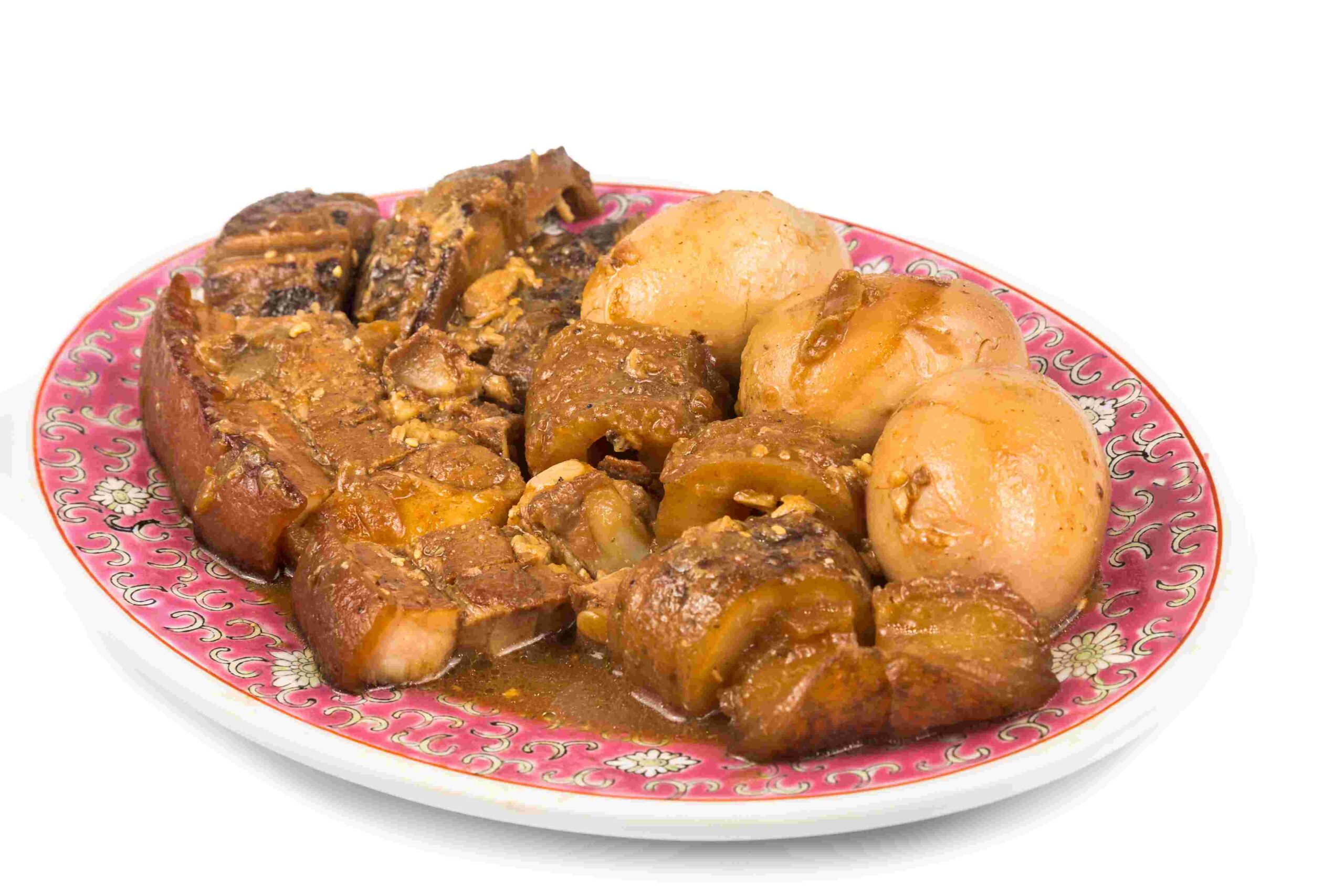 shows camel dishes for tourists and local guests. Some places offer fried hump, some offer camel soup, and some even try new styles like camel burgers or dumplings. Cook says camel meat is healthy; it has low fat and high protein, and people who care about their bodies sometimes choose it.
But camel food is not daily meat for most Chinese families. It is special, expensive, and needs long cooking. Supermarkets in big cities do not sell camel meat often; only in areas close to the desert can you buy it fresh. Still, online shops sometimes sell dried camel meat, packed for gifts or for people far from home who miss the old taste.
Young people look at camel dish as a cultural thing, not just food. They eat in an ethnic restaurant, take photos, and share stories about the Silk Road and nomads. Food is memory, and camel dishes carry the idea of travel, desert, and survival. Some festivals still keep roast camel as a show; it attracts visitors, and it tells about the past.
List of modern uses:
- Restaurant menu with camel soup and fried hump
- Creative dishes like camel burgers and dumplings
- Online shop sells dried camel meat as a gift
- Young people eat as a cultural experience.
- The festival show roasts camel for tourists and tradition.
Common Camel Dishes in Chinese Cuisine
Camel dishes are many, but some become more famous and travel from village to city. One dish is fried hump; it is a white fat slice, cooked fast in a pan, soft and rich, and often served with bread or rice. Another is camel hoof soup, made with long boiling until the skin and bone turn soft and glue–like; people believe it brings strength and heals the body. Boiled camel meat with carrot and onion is simple food, used in nomad camps, where families share big pots. In festival time, roasted camel legs appear, cooked on fire with salt only; the meat tastes heavy and strong. Some places also prepare a whole camel stuffed with rice, nuts, and even lamb inside. This is a giant dish for a wedding or celebration, and it shows honor for the guest. Today these dishes are not daily food, but they remain symbols of desert culture and the long history of the Silk Road.