
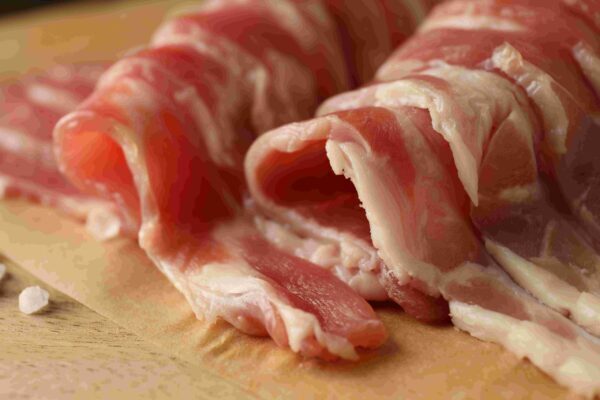
Yanpi is a special food from Fujian province. It looks like a thin wrapper, but it is not made from flour; it is made from pork meat. People in Fujian use yanpi in soup, dumplings, and festival dishes. This food shows the skill of the cook and the long history of local taste.
Origin of Yanpi
Yanpi comes from Fujian, in the southeast of China. The name means “swallow skin,” because it is thin and light like bird skin. People began making yanpi several hundred years ago. Fujian is a mountainous province that features both rivers and the sea, where the local people innovate new ways to use food. Pork is the main meat, and yanpi shows how local people use pork not only as meat but also as a wrapper. This invention made Fujian famous in the Chinese food story.
In Putian, a city located in Fujian, yanpi has become a source of local pride. Families keep recipes and pass them to children. During the festival, yanpi is made in big numbers because every family needs it for soup and guest meals. This tradition continues until today.
List of origin facts:
- The name means “swallow skin”
- Comes from Fujian province, southeast China
- Made from pork instead of flour
- Long history in Putian City
- Used for festival and guest meals
Preparation of Yanpi
Making yanpi is not simple. Cook takes lean pork, cut in small pieces, and pounds until soft like paste. Then add starch and mix for a long time until sticky. Spread a thin layer on the board, steam, and remove. Result is thin wrapper, clear and elastic.
Unlike flour dumpling skin, yanpi has a meat taste. It can bend, wrap, and cut without breaking. Skill needs a strong hand and patience. A good yanpi must be as thin as paper, as smooth as silk, and strong enough to hold the filling.
List of preparation steps:
- Cut pork into small pieces
- Pound until soft like paste
- Mix with starch until sticky
- Spread thin and steam
- Check elasticity and strength
Use in Local Dishes
Yanpi is used in many Fujian dishes. The most famous is bianrou soup, dumplings in clear soup with vegetables. The filling is pork or shrimp, wrapped inside yanpi skin. The taste is light, fresh, and smooth. Yanpi is also fried or steamed. Some cooks make rolls with vegetables inside, wrap them with yanpi, and fry them. Others cut yanpi into slices and add it to soup as noodles. At a wedding or event, yanpi is always on the table.
List of local dish examples:
- Bianrou soup with pork or shrimp dumpling
- Fried yanpi roll with vegetable
- Yanpi slice in clear soup
- Festival or wedding table dish
Cultural Meaning
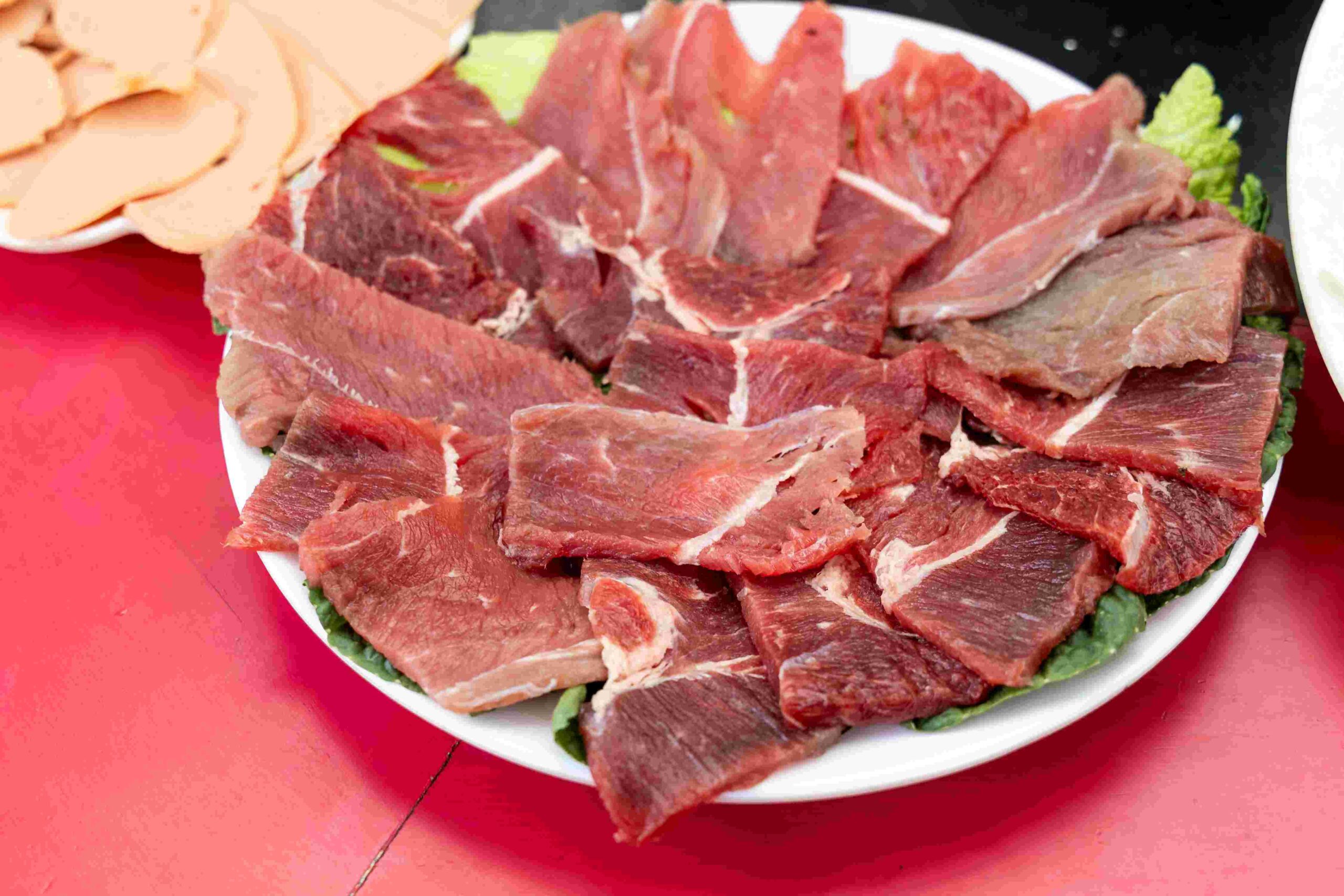 Yanpi is more than food; it is culture. Families gather to make yanpi together, pound meat, steam wrappers, and cook soup. Tradition passes from old to young. In the local market, yanpi is sold fresh every day. A small shop in Putian sells only yanpi and bianrou soup. People eat in the morning, cheap and simple, but full of feeling.
Yanpi also shows skill in Chinese regional cooking. The dish consists of pork that has been transformed into a unique skin texture. It tells the story of Fujian people who always create something new from common ingredients.
List of cultural aspects:
- Family gather to make yanpi.
- Sold fresh in the market daily
- Small shops specialize in yanpi and soup.
- Symbol of skill and tradition
- Represents Fujian identity
Yanpi Today
Today, Yunpi is still popular in Fujian. Many restaurants serve bianrou soup every day. Some places sell yanpi to other cities, pack it in a cool box, and send it by mail. People outside Fujian want yanpi, a taste of home. Tourists try yanpi as a local specialty. Cooking shows present yanpi as a rare skill in China.
List of modern usage:
- Restaurants serve soup with yanpi.
- Yanpi sold to other cities by mail
- Young people eat as a cultural experience.
- Tourists try yanpi as a specialty.
- Cooking show highlights skill
Yanpi as Fujian Culinary Heritage
Yanpi is a thin meat wrapper from Fujian, light and elastic. Made from pork paste, starch, and steam skill. Used in soup, dumpling, roll, and festival dish. Part of Fujian culture, a symbol of family and tradition, and the pride of Putian people. It shows how simple ingredients can create unique food and carry history.