
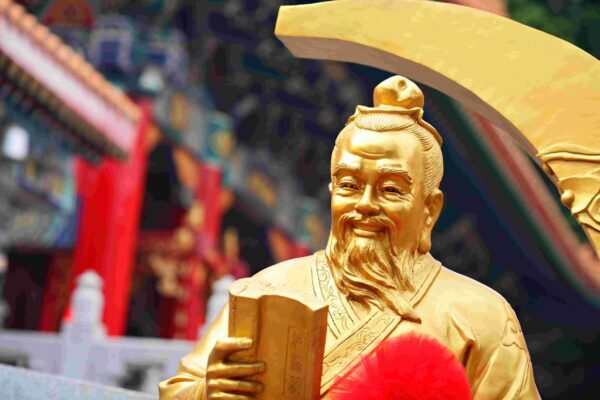
Fang Xiaoru was a famous scholar and loyal official during the Ming dynasty. He teaches students, advises the emperor, and writes many works. Life ended tragically with the execution and punishment of family. The story shows the loyalty, knowledge, and culture of the Ming era.
Early Life and Education
Fang Xiaoru was born in 1357 in Yuyao, Zhejiang province. The family were scholars and valued learning and Confucian teaching. From a small age, he learned classic texts, memorized poems and studied history. Father and teacher guide him strictly, making a habit of study and writing. Childhood life is simple, focusing on learning and moral conduct. Villages support family education; local schools teach reading, calligraphy, and ritual.
Later, Fang Xiaoru moved to the capital to continue his education. He passed the local examination, then the higher exam, and became a scholar of the Ming dynasty. Known for strong memory, knowledge of Confucian classics, poetry, and law. Young Fang impresses teachers and peers by wisdom and moral character. Education not only teaches text but also moral principles, duty, and loyalty. He writes essays, poems, and commentaries on classic texts.
List of early education points:
- Born in 1357, Yuyao, Zhejiang province
- Family with scholarly tradition
- Learned Confucian classics and history
- Strong memorization, poetry, calligraphy
- Pass local and imperial examinations
- Teach moral principle and loyalty
Role in Politics and Teaching
Fang Xiaoru became an advisor and teacher in the Ming court. The emperor trusts his knowledge and opinion. He teaches scholars and young officials about law, Confucian principles, and government duty. Political roles include writing documents, advising on law, and participating in discussions of policy. Scholars respect him for his clear mind, moral courage, and loyalty to principle.
He wrote several books and commentaries to guide students and officials. Teach about state conduct, family duty, and the importance of education. Life in the palace is not comfortable; follow strict rules, respect rituals, and show examples of scholarly behavior. Sometimes criticized emperor policy if in conflict with moral principle. Teach through lecture, writing, and advice. Students follow him, copy text, memorize lessons, and learn discipline.
List of political and teaching roles:
- Advisor to Ming emperor
- Teach Confucian principles to students and officials
- Participate in policy discussion
- Write books and commentary for education
- Show moral courage and loyalty
- Guide scholars in palace and schools
Execution and “Ten Clans Extermination”
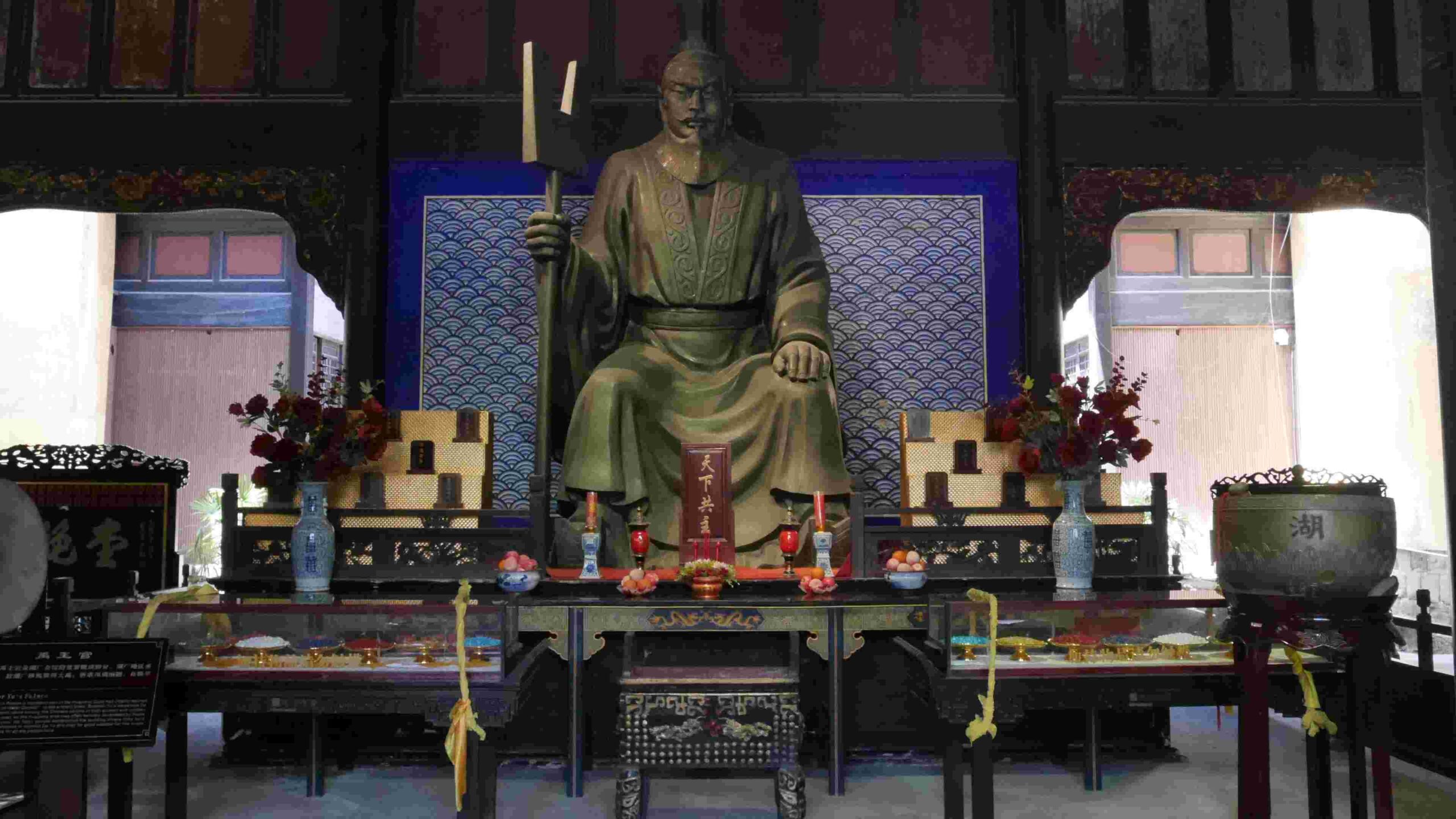 Fang Xiaoru’s life ended tragically in 1402. After the Yongle Emperor takes the throne, Fang refuses to sign a document supporting the new ruler. He is loyal to the previous emperor and follows Confucian principles. The Yongle Emperor, angry, sentenced Fang to death. Not only was Fang executed, but also his family and close relatives. This event is called “ten clans extermination.” All people connected to him, relatives and students, face punishment.
Before death, Fang Xiaoru remained calm and showed courage. He refuses to change loyalty and teaches lessons of morality, and principle. The story is told in history books as an example of loyalty and courage. Palace records describe the execution as strict, with many witnesses. Scholars remember him for moral integrity, knowledge and loyalty to the dynasty. Even after death, work and teaching influence students and scholars.
List of points about execution:
- Refused to sign the document for the new emperor
- Loyal to previous emperor
- Executed in 1402 by the Yongle Emperor
- “Ten clans extermination” punishes relatives and followers
- Displayed moral courage before death
- Remembered for loyalty and principle
Cultural Legacy and Writings
Fang Xiaoru’s legacy lives in books, teaching, and moral stories. Scholars copy his text, study his commentary, and learn law, Confucian principles, and moral conduct. Writing includes historical commentary, poetry, and lessons for scholars. His life story used to teach loyalty, courage, and duty to students and officials. Temples and local schools sometimes tell the story of Fang Xiaoru as an example.
Even today, historians and students study Fang’s work for insight into Ming culture. His commentary shows government conduct, education methods and moral lessons. Poetry reflects personal feelings, political views, and commitment to principle. Life and writing inspire later generations and remind them of the importance of knowledge, loyalty, and moral courage. Many books include his story and show his influence on Chinese history and education.
List of works and contributions:
- Historical commentary on the Ming dynasty
- Poetry and essays
- Teach law, moral conduct, and Confucian principles
- Influence students and officials
- Example of loyalty, courage, and integrity
- Studied by historians and scholars today
Works and Contributions
Fang Xiaoru wrote many important works for the Ming dynasty and scholar studies. His commentary explains Confucian classics, history, and moral principles. Students follow his text to learn proper behavior and duty to the state and family. Fang also writes poetry and reflects feelings about politics, loyalty, and life in the palace. Much of his work was copied by hand, preserved in scholar collections, and later printed in books.
Fang’s teaching focuses on law, education, and government conduct. His lecture guides officials and students on how to behave correctly in the palace, follow moral rules, and respect ancestors. Work shows strong knowledge, memory, and moral courage. Even after death, his text influenced education, history study, and scholarly thought. Scholars study his life story, execution, and writing to understand Ming culture, loyalty, and political principle.