
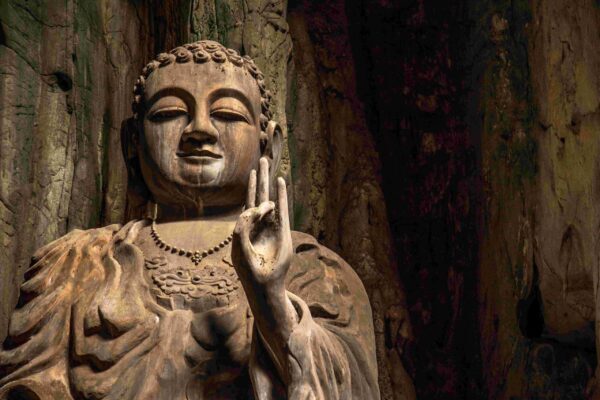
The conch shell is important in Buddhist practice and Chinese tradition. It is a symbol of sound, teaching, and awakening. People use conch in ritual, temple, and art. Its shape and sound carry spiritual meaning, history and cultural values.
Origin and Historical Use
The conch shell has been around for a long time in Asia. People gather natural shells from the sea and use them for music, ceremonies, and decoration. In Vedic tradition, it became holy in India, and then Buddhism brought it to China. The conch shell, which is called shankha in early Buddhist texts, is a symbol of Buddha’s teachings. Temples use shells to let people know when to pray or hold a ceremony. In Chinese Buddhist art, conches can be seen in paintings, sculptures, and altars. People think that the sound of the conch travels far and calls them to meditate.
In ancient China, the conch was also used as an instrument. Royal courts and local rituals sometimes use shells to announce events. Buddhist monks blow shells before teaching, ceremonies, or festivals. Material may be white, yellow, or gold, depending on region. Conch is often decorated and carved with dragon or cloud patterns. Symbolize authority, wisdom, and spiritual guidance.
List of historical uses:
- Musical instrument in ritual and ceremony
- Symbol of Buddha’s teaching in temple.
- Decoration in painting and sculpture.
- Announce events in court and monastery.
- Represent authority and wisdom.
Symbolism in Buddhism
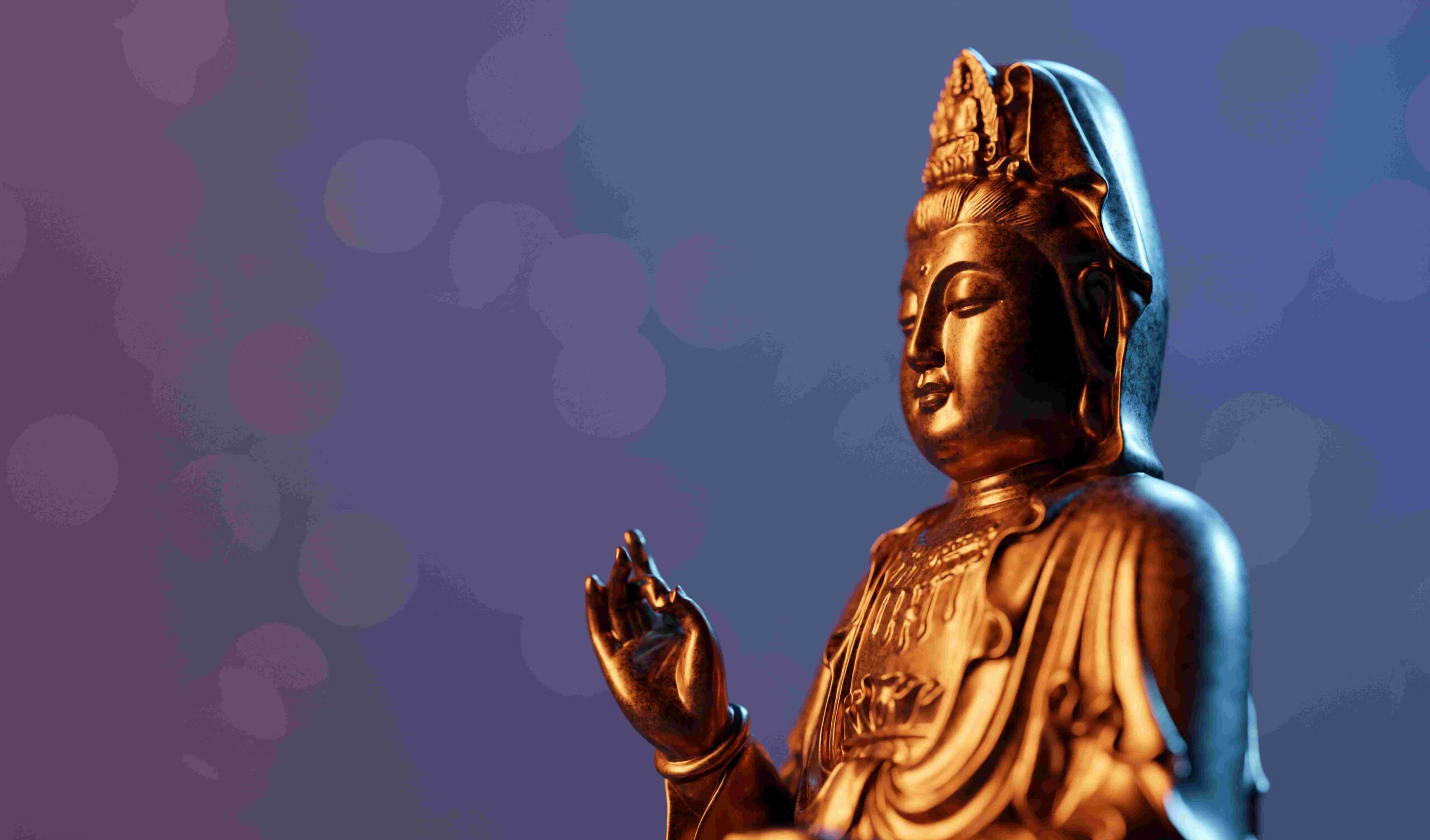 In Buddhism, the conch shell has deep meaning. Its sound represents the voice of Buddha, teaching all beings. Round shapes and spirals show the endless cycle of life and rebirth. Monks blow shells to remind people of compassion, truth, and meditation. Shell color and size can mean different ranks of monks or ceremony importance. In ritual, the conch is sometimes filled with water or used to bless space.
Buddhist art often shows the conch with other symbols, like the lotus, wheel, and parasol. These together teach followers about the path to enlightenment. The temple bell, drum, and conch make sounds in sequence, creating rhythm for meditation and prayer. Children learn the conch shape and meaning as part of their education in the monastery.
List of Buddhist symbolism:
- Voice of Buddha and teaching
- Spiral shows endless life cycle
- Sound call for meditation and compassion
- Shell color indicates rank or ceremony
- Paired with other sacred symbols in art
Use in Rituals and Temples
The conch shell is common in Buddhist ritual and temple practice. Monks blow conches before ceremonies, prayers, or meditations to gather people. Sound is believed to drive away evil, purify space, and invite positive energy. Conch is sometimes placed on an altar with incense, a candle, and a statue of Buddha. Pilgrims touch or offer small shells as signs of devotion.
In China, temples often have a large conch shell or carved replica. During the festival, the temple organizes a procession, monks blow conches repeatedly, and bells and drums play together. Each sound is part of the rhythm for the ritual. Conch was also used to teach students about history, meditation, and proper conduct. A small shell may hang in a home altar or be carried as an amulet for protection and luck.
List of ritual uses:
- Blow before meditation, ceremony, or prayer
- Purify temple space and drive away evil
- Placed on altar with incense, candle, and Buddha statue
- Pilgrims offer shells for devotion.
- Teach history and meditation in monastery
Artistic Representation and Decoration
Conch shells appear often in Chinese Buddhist art. Carved in ivory, wood, or stone, sometimes painted with dragon or cloud patterns. She is depicted on sculpture, painting, and temple decoration. Its spiral shape inspires designs for furniture, roof corners, or ceremonial objects. Conches also appear on coins, textiles, and ceremonial robe embroidery.
Artists emphasize the conch as a symbol of wisdom, spiritual awakening, and prosperity. The spiral shape is often a central motif with a lotus or wheel. Temple carvings show a conch beside guardian figures, an incense burner, or a candle holder. Some will have a gold or silver coating and be displayed in a monastery or museum. Shell sound is often illustrated in painting with visual waves or lines.
List of artistic representations:
- Carving in ivory, wood, stone
- Decoration in temple and altar
- Embroidery on textile and ceremonial robe
- Depicted with lotus, wheel, or guardian figures
- Gold– or silver–coated shell displayed in museum
Cultural Importance in Chinese Tradition
The conch shell has strong cultural importance in Chinese society beyond the temple. People associate shells with sound, protection, and positive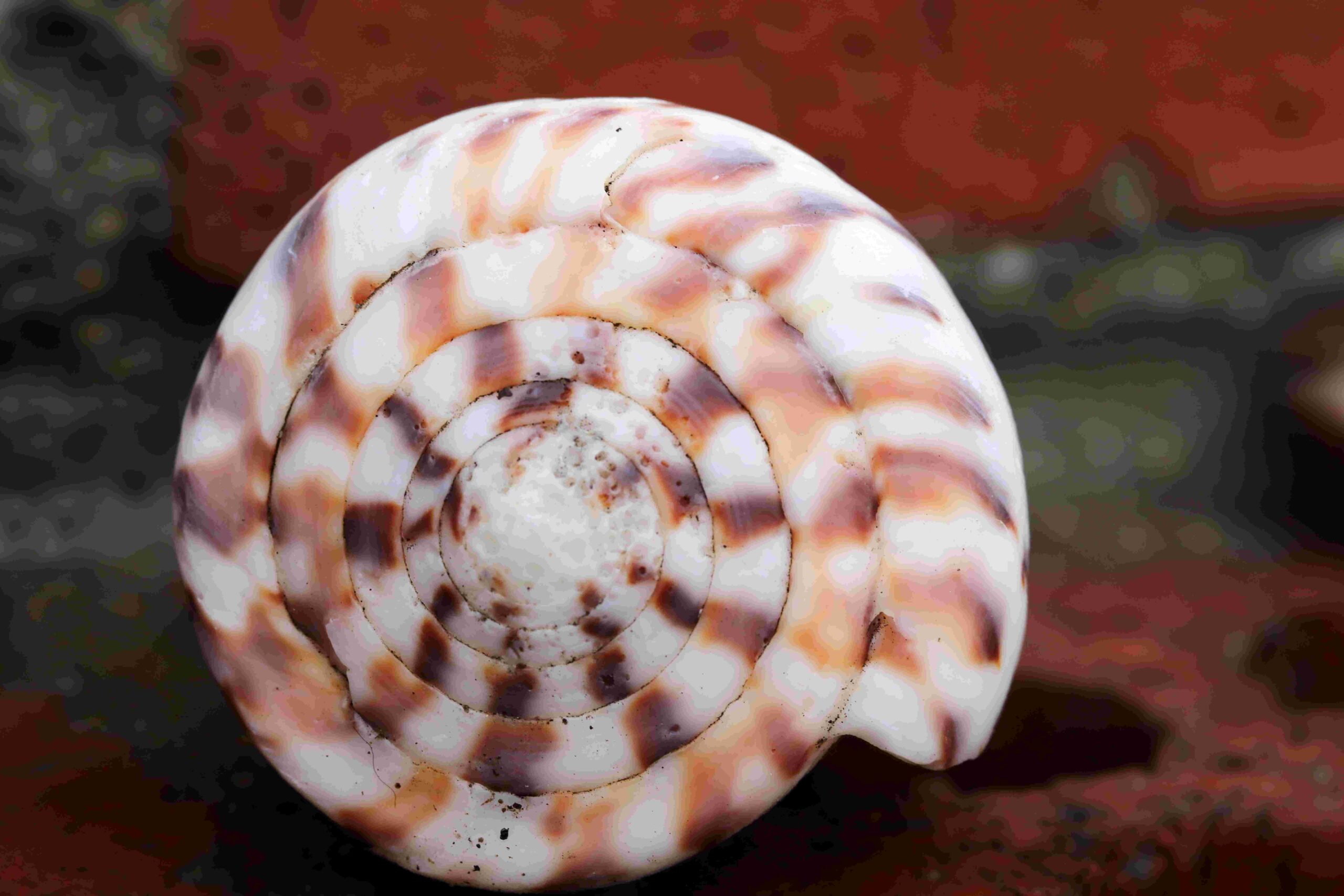 fortune. In some regions, families keep small conches at home altars. During the festival, a shell is blown to mark the beginning of the celebration. Shell shape inspires art, decoration, and architecture. Scholars and historians note the conch as a bridge between religion and daily life.
Conch also appears in folklore and local stories. Symbol of communication, clarity, and alertness. Some use a shell to announce a wedding, ceremony, or harvest festival. In schools and monasteries, she’ll teach children respect, ritual knowledge, and cultural memory. Temple bells, drums, and conches create rhythm for daily prayer and special events. The spiral shape reminds people about the cycle of life, rebirth, and moral conduct.
List of cultural importance:
- Home altar for protection and blessing
- Festival announcement and celebration
- Inspire art, decoration, and architecture
- Appears in folklore and local stories.
- Teach children ritual knowledge and respect.
- Reminder of life cycle and moral conduct
Symbol of Wisdom and Awakening
In Buddhism and Chinese culture, the conch shell is a critical symbol. It shows sound, learning and spiritual growth. She’ll be seen in temples, rituals, art, and at home. People think of life, rebirth, and wisdom when they see and hear it. Traditions last for hundreds of years, going from monk to student and family to family. Conch is still a sign of devotion, guidance and cultural heritage.